
Spring breaking
I'm headed to Paris with a long list of your recommendations, plus an update on the Metro outage, and much, much more
I'm headed to Paris with a long list of your recommendations, plus an update on the Metro outage, and much, much more

The official look and feel for the games shows, once again, that LA28 doesn't really understand our city
The goal is to improve the downtown experience by 2028 by "linking key locations with safer, cleaner, and greener streets, parks, public spaces, and transit hubs"
I've published the recordings for you to consume anytime you need a megaevent reality check. (Sorry.)

When I launched Torched Talks, my one-hour Zoom conversations with LA megaevent experts, the idea was that I'd eventually put the recorded conversations behind some kind of paywall. But the discussions have been so insightful, and so many people have told me they've found the content valuable, that instead of making access to the talks a premium perk, I've published the recordings for you to consume anytime you need a megaevent reality check. (Sorry.)
In 14 scintillating chats, we've talked about how to get ready for a megaevent, what we'll be left with in 2029, and — surprise! — why our hosting era doesn't actually end in 2029. We've had frank discussions about the Cultural Olympiad — if your next question is um, Alissa, what's the Cultural Olympiad? skip right down to my talk with Karen Mack — and heard Paralympian Candace Cable's call-to-action for LA's first-ever Paralympics to create a legacy of social inclusion. We had not one, but two, emergency deviations from our original programming as the city was besieged by fires and ICE. And we never, ever stopped asking (or answering) the tough questions.
Who do you want me to have on in 2026? If you're a paid subscriber, you can suggest the next Torched Talks topic in the comments. I'm also open to any other ideas for how to make this content more useful. But I'll always keep the videos publicly accessible here. (You can also watch them all on Vimeo, if you prefer.) Consider this series essential viewing as we roll into 2026 — your Introduction to LA Megaevents 101. 🔥
If you want to understand the potential of 2028, you need to know Candace Cable. As a vice-chair and director of Disability and Paralympic Engagement of the original bid committee that brought what will be the first Paralympic Games to Los Angeles, Candace has remained a passionate advocate about what LA has already achieved — and an outspoken critic about just how much more work needs to be done.
 Alissa Walker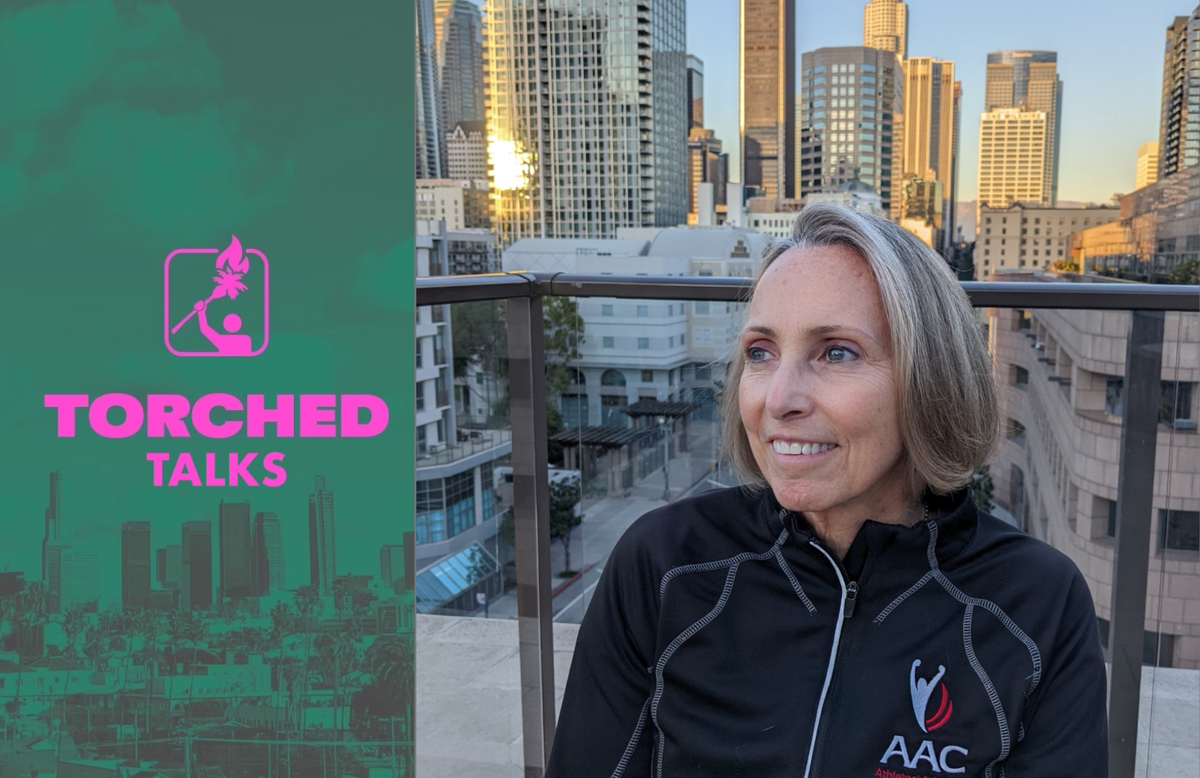
Over the past year, many of my Los Angeles megaevent geospatial questions have been answered by this dutifully updated StoryMap maintained by Nick, GIS manager for the Los Angeles County Department of Regional Planning. A self-described Olympics fan who knows the importance of good maps and good data, Nick took it upon himself to create the ultimate games-related resource on his own time — and now uses his tools to support some projects in his capacity at the planning department as well.
 Alissa Walker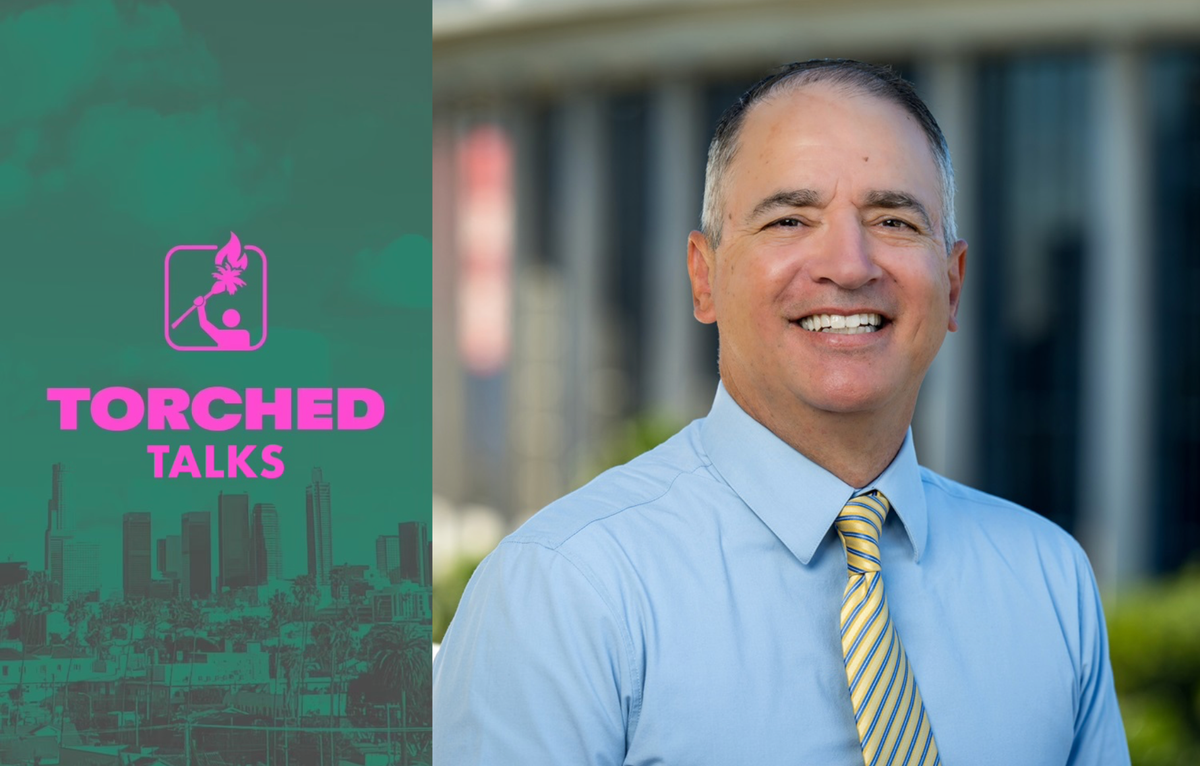
Rick left his most recent role as chief deputy controller for the city of LA in June and is now technically retired, although he's also back on the Pasadena city council for the second time — the first time he was elected was in 1983. For years, Rick has been outspoken about LA's megaevent readiness — as he told me: "LA28’s opaque finances and vague reassurances are not enough to protect the city from fiscal disaster" — and has some pretty good theories on how the city's inability to embrace reforms is holding us all back.
 Alissa Walker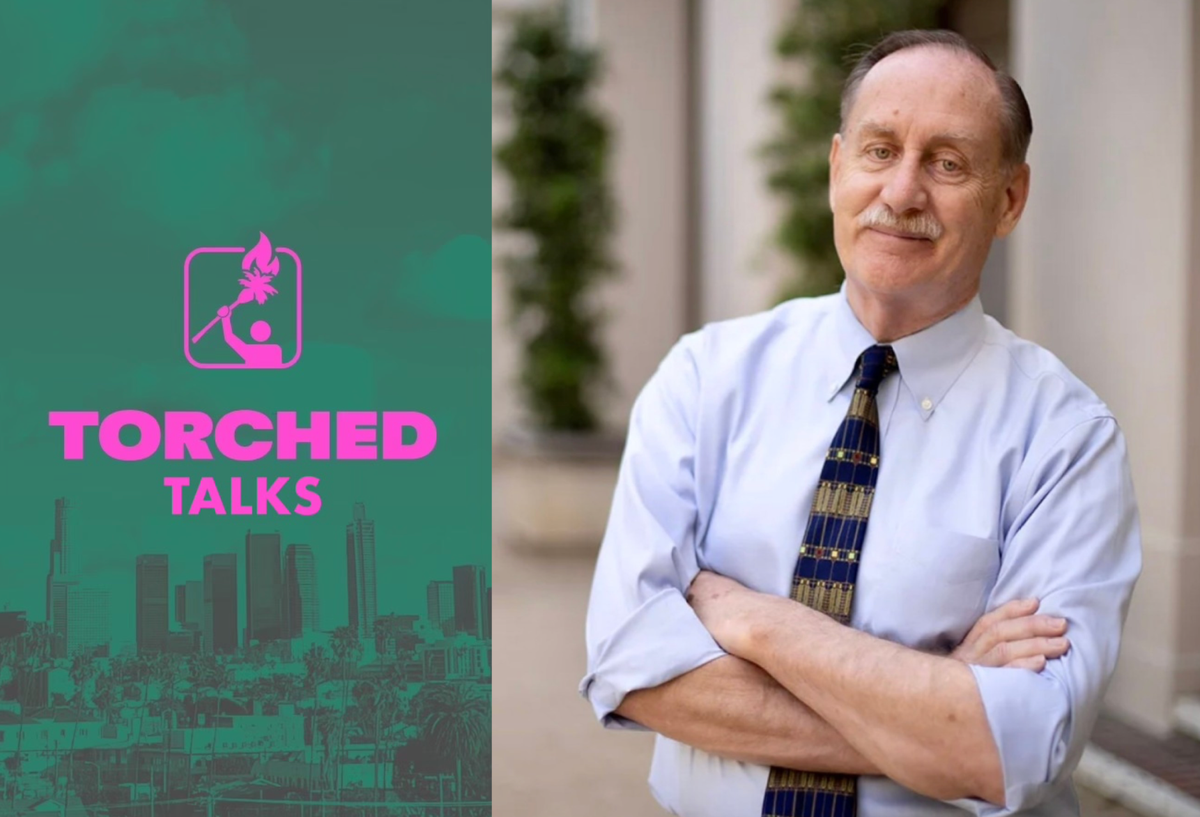
Sam's 2019 Places Journal essay "Shade" completely changed the conversation about protecting Los Angeles's most vulnerable residents from the dangers of extreme heat, forever framing tree canopy as a luxury that only certain neighborhoods could access. Six short years later, Sam has expanded that essay into Shade: The Promise of a Forgotten Natural Resource, his highly anticipated book that traces the history of shade worldwide — but still includes entire chapters all about LA's policy failures.
 Alissa Walker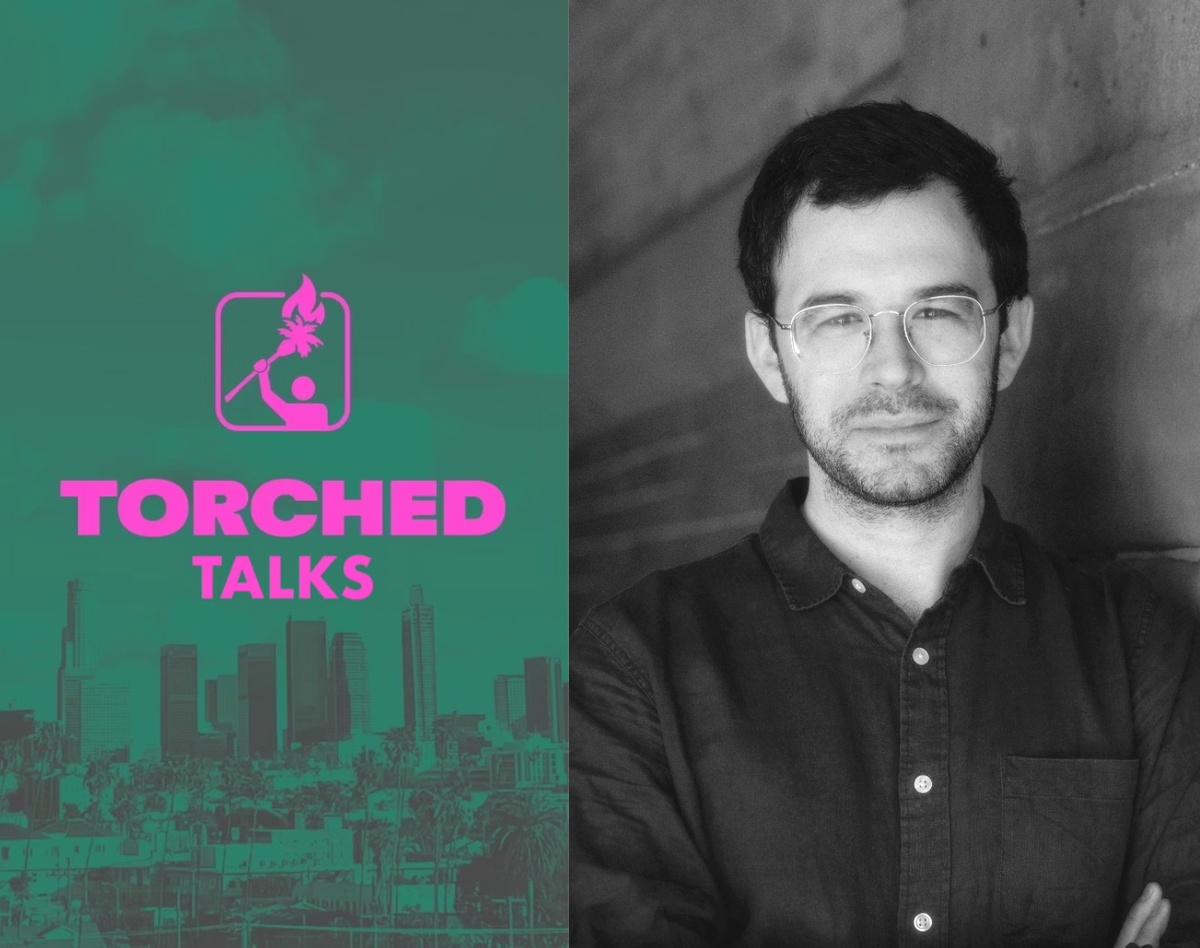
As LA was invaded by the federal government, and other U.S. host cities faced similar threats, I thought it made sense to suspend my regularly scheduled programming and book an emergency Torched Talks with Jules, one of the few people I know who is fluent in megaevent geopolitics, closely follows the sports that underpin those relationships — and, as someone who studies protest movements, could also assess the reality of LA's current situation.
 Alissa Walker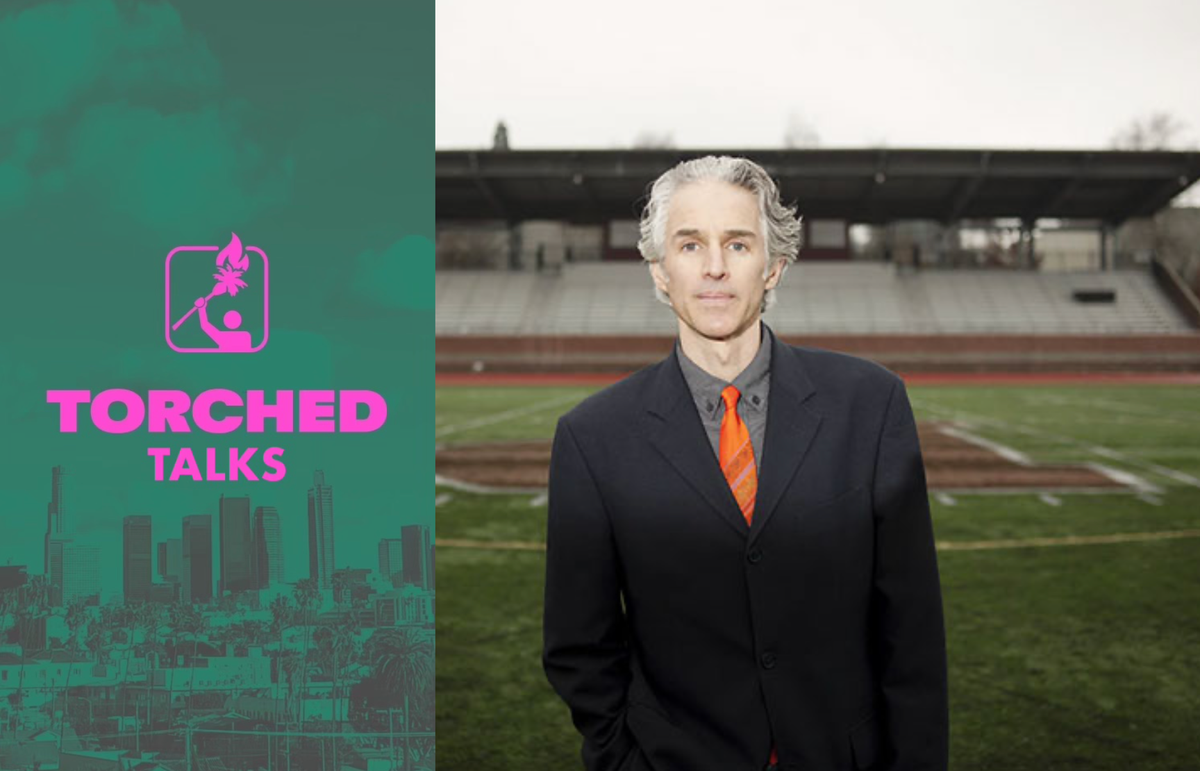
In addition to the sporting spectacles of the Olympics and Paralympics, there's a big IOC-mandated arts and culture component that's basically a megaevent in itself. The official festival is known as the Cultural Olympiad, but plenty of plans for grassroots programming and local activations are also underway. For the last few years, the LA County Department of Arts and Culture has been working closely with city and county partners, as well as arts leaders in Paris, to coordinate a strategy for 2028 — and Karen walks us through all the preparations.
 Alissa Walker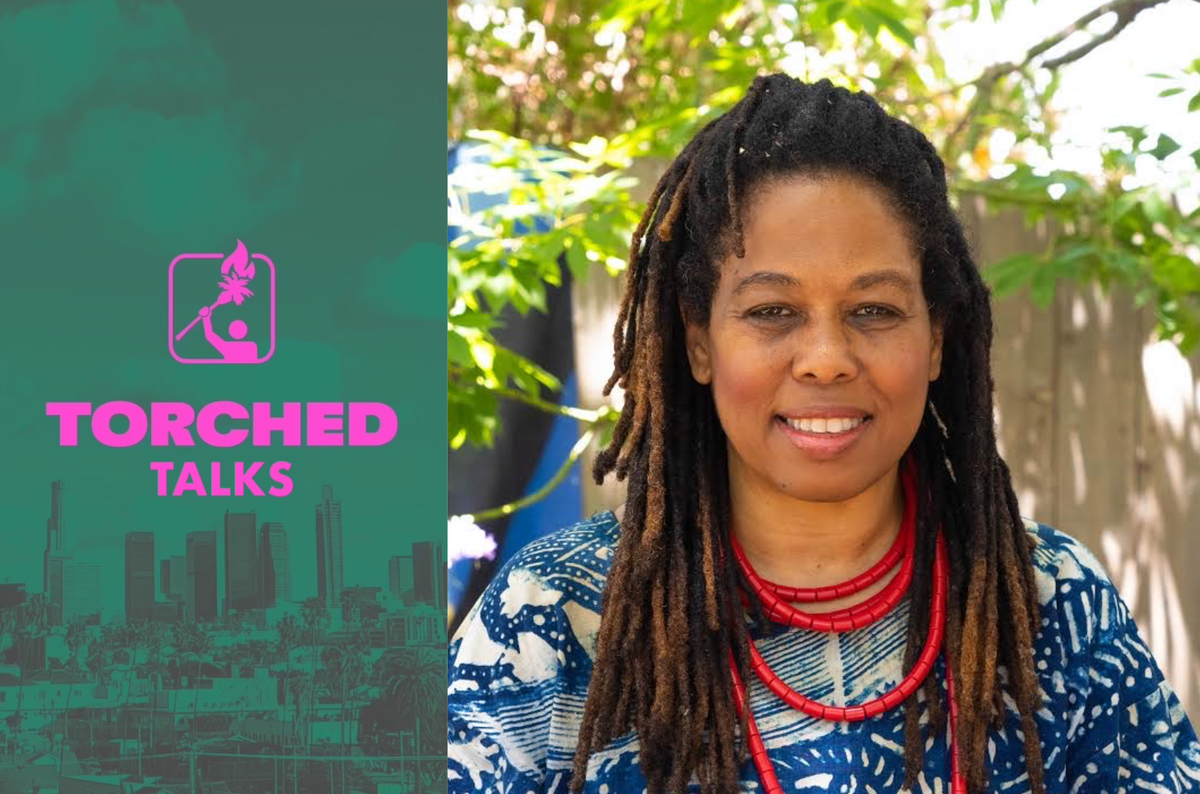
Cerianne has examined how Olympics shape communities in every Summer Games host city since 2012. She first worked in Rio de Janeiro as an editor and reporter for RioOnWatch.org, documenting the impacts of megaevents on the region’s favelas. Then, through NOlympics LA, she traveled to London, Tokyo, and Paris to meet with and learn from anti-Olympics organizers. She's seen firsthand how megaevents can act as magnets for competing campaigns to reimagine the city.
 Alissa Walker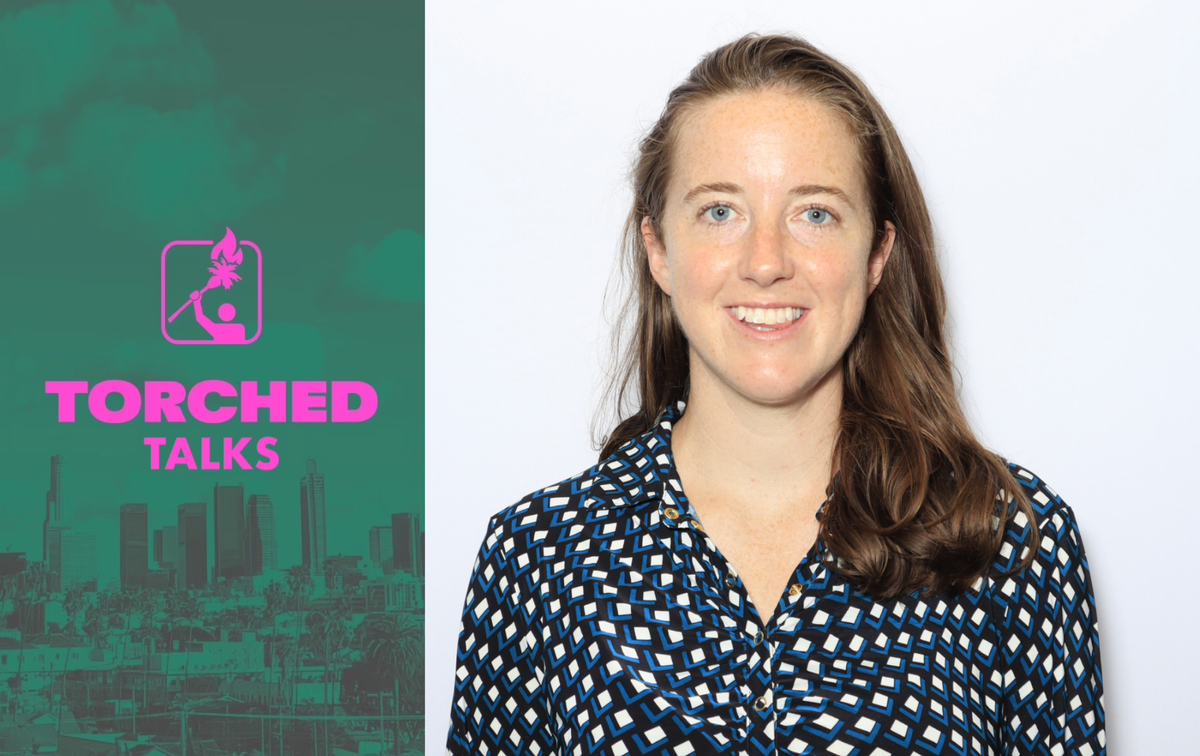
A longtime climate journalist, Susie has done some of the best reporting on wildland-urban fires, from new policies in evacuation procedures to the fraught realities of rebuilding. She's been on the ground throughout LA County, but she also brings extensive knowledge of the ways other communities have learned to make their homes alongside fire. And she's currently writing the book about California's climate crisis: The End of the West.
 Alissa Walker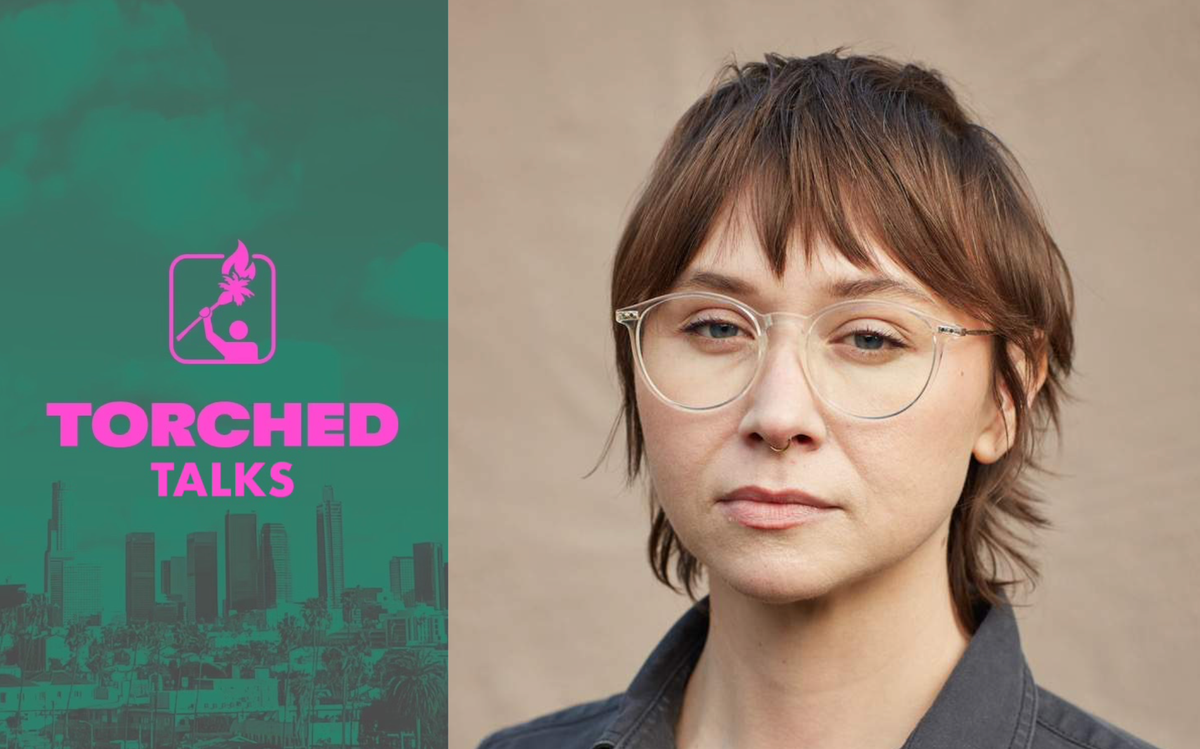
In January, Edith de Guzman, water equity and adaptation policy cooperative extension specialist for the University of California's Agriculture and Natural Resources and co-founder of the Los Angeles Urban Cooling Collaborative, was originally scheduled to talk about extreme heat. Post-fire, we added Greg Pierce, co-director of UCLA's Luskin Center for Innovation and director of the Human Right to Water Solutions Lab for a conversation about how extreme heat fuels LA's firestorms.
 Alissa Walker
When I saw Gustavo present at UCLA's Lake Arrowhead symposium, his research challenged the sustainability claims of some of the marquee projects constructed by Paris for the 2024 games. I knew he'd be the perfect person to bring perspective to LA's complicated legacy promises, including how LA's hosting duties are progressing compared to other cities Gustavo has studied.
 Alissa Walker
Juan is the coordinator for the UCLA Lake Arrowhead Symposium Mega Events: Major Opportunities, where attendees met to "develop concrete plans for leveraging these megaevents to create lasting public benefits." Juan published a report on the symposium — which I also wrote about here at Torched — that highlights the frustrations and concerns about LA's current megaevent-planning approach.
 Alissa Walker
Los Angeles Tomorrow's goal is to "facilitate and accelerate community-powered public space improvements and activations across LA County" ahead of upcoming megaevents. This is the big-picture, on-the-ground view of what's happening — or not happening — across the region.
 Alissa Walker
The host city of LA has yet to announce a cohesive strategy for moving people around the city without cars. But there's one grassroots idea that's been gaining momentum. At the time of our conversation, the Festival Trail was a concept for a 22-mile non-vehicular, zero-emission corridor through LA County linking up venues and legacy transportation projects along the way and engaged with 200 stakeholder groups around the region.
 Alissa Walker
After Henry conducted an interview with me about LA's preparations as he was covering Paris, we had a lot of questions for each other we couldn't get to in our short conversation. When the 2024 Olympics and Paralympics were over, we thought, it might be interesting to reconvene and compare notes — and we wanted to invite all Torched readers all to have that conversation with us, one day after the Paralympics handover.
 Alissa Walker

Join a self-described "sports crank" on March 16 at 3 p.m. on Zoom

We're talking about the pitfalls and perils of hosting on February 19 at noon on Zoom

Let's talk about what our parks need on January 23 at 11 a.m.

LA always feels empty this time of year. But at the end of 2025, the city feels not just deserted, but deflated