
Does mayoral continuity matter for the Olympics?
Plus: LA28 got served and more people mover delays in this week's Hot Links
Plus: LA28 got served and more people mover delays in this week's Hot Links

In some ways, there are now three major cultural festivals planned for 2028 — and there will likely be even more
You might not have noticed Burbank's new airport project flying under the radar because it went a lot faster than some other airport projects in the region
When you've committed to holding a Summer Olympics, a marathon route becomes a guaranteed death march

The National Weather Service is forecasting "widespread highs in the 80s" on Sunday, which just happens to be the day of the LA Marathon. That's pretty hot when you're running 26.2 miles, so race organizers have implemented a series of warm-weather policies, including one fairly controversial one: runners can opt to bail at mile 18 and still get a finishing medal. The decision can be made last-minute, the fine print reads: "There is no shame in making a smart decision for your body."
Here at Torched we applaud thoughtful extreme heat mitigation efforts, and I've written about how megaevent organizers have been taking this risk seriously with misters, shade structures, and even shifting start times. Heat is the deadliest factor but it isn't the only race-day safety issue to consider. In 2011, the year I ran the LA Marathon, 3.06 inches of rain fell at the finish line, making it the wettest on record. We all joked that we swam the final miles, our spandex leggings clinging to our thighs like wetsuits, but I did pass quite a few runners wrapped up in mylar emergency blanket burritos; a total of 25 people were sent to the hospital with hypothermia.
I finished the marathon in a soggy Santa Monica, but in 2021, the route took a strange turn. Now, instead of running from "the Stadium to the Sea," the marathon doubles back for its final four miles and ends in Century City instead. The reason, of course, is the same reason that you won't see beach volleyball being played in Santa Monica during the 2028 games: the city realized the exorbitant demands being placed upon them by Frank McCourt's marathon wasn't worth the cost. While the change makes no sense when you're on the course — you literally run past the finish line, why not end somewhere else like Venice? — this modification does make it extra easy for runners to call it a day after 18 miles.
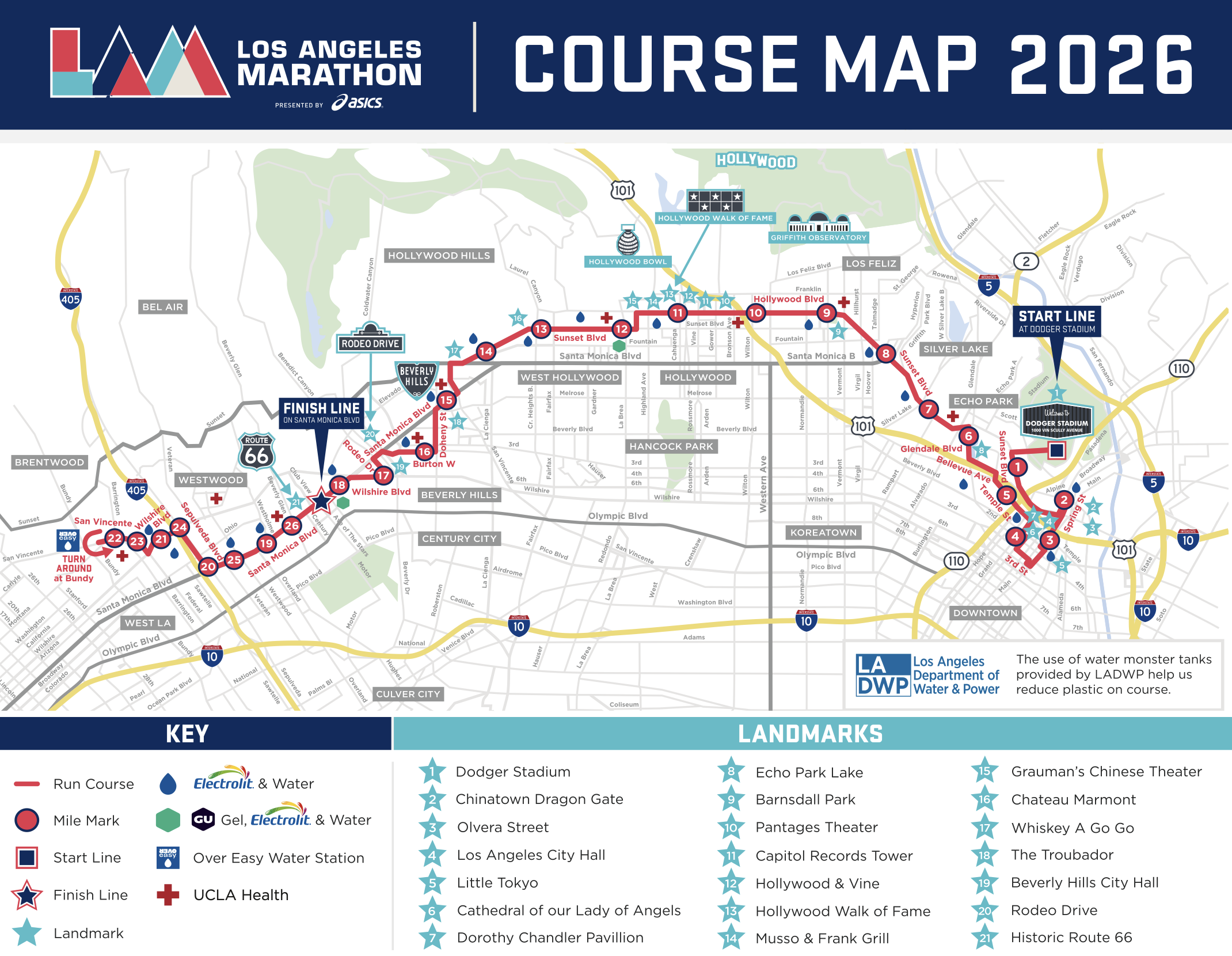
But as runners turn away from the ocean, it also guarantees that the race's final miles will always be hotter.
Around the world, ideal race-day conditions are disappearing when marathon runners can achieve their personal best. But when you've committed to holding a Summer Olympics — are we sure we can't move this? — a marathon route becomes a guaranteed death march. In Tokyo, as soon as the 2020 marathon route was announced, scientists measured the potential risk to athletes across two summers and determined the route was too hot and humid for competition. (They also determined a city-administered pavement coating was not going to help cool the route enough.) The IOC listened, and the marathon was moved 500 miles away to Sapporo, the much cooler former Winter Olympics host city. (It was still hot.) But it was a prescient decision: the games were held a year later due to the pandemic, and Tokyo was "tortured" by the warmest Olympics in history.
Although we know the 2028 Olympic marathon will begin in Venice, LA28 hasn't yet announced the route. What we do know is that it's happening on the final and statistically hottest weekend of the games. Like Tokyo, we've got mountains and microclimates to take advantage of in an attempt to keep the temperature down. But even with a dawn start time, it's hard to see how the marathon route could go anywhere inland when the best bet for runners will be clinging to the cool, and hopefully overcast, coast.🔥
"I don't believe that anyone in the city knows what the books are now." Zev Yaroslavsky warns state legislators that LA28's opaque budget could stick the city and state with a huge bill — his construction metaphor is very good as is his reminder that in 1984 there was no financial backstop from LA
— Alissa Walker (@awalkerinla.bsky.social) 2026-03-07T01:58:01.441Z
"Lessons learned and the legacy of the 1984 Olympic Games" was the agenda for the first meeting of the California Assembly's select committee on the 2028 games. It was held right here in LA at the LA84 Foundation, in a room lined with branded sponsorship deals from Coca-Cola to United, a reminder of 1984's financial success. And that's really all any of the legislators wanted to know: how can 2028 deliver a surplus like 1984? (First answer: Peter Ueberroth; second answer: broadcast rights, which the IOC immediately took away.) Instead, Zev Yaroslavsky issued a stern warning for a city and state that's on the hook for overages this time around: get access to LA28's opaque budget. "Somebody in the city has got to know where they stand," he said. Nothing that won't be familiar to Torched readers, of course. But the state officials seemed to take the advice to heart. You can watch the whole hearing, which has some great historical nuggets thanks to Olympics authority Rich Perelman, former 1984 press officer and editor of The Sports Examiner. 🦋
One name that was not uttered at the state hearing: Casey Wasserman. Many of these state legislators had joined a call for Wasserman to step down just a few weeks ago. On March 2, West Hollywood unanimously passed a resolution calling for Wasserman's resignation. And across town, a resolution regarding Wasserman's Epstein ties that was supposed to be heard at LA's City Council Friday was continued until March 16. 🦋
If LA started actually enforcing its short-term rentals, according to a new Better Neighbors report, the city would rake in $40 to $50 million each month — "more than any measure the city is currently proposing for the ballot to raise revenue." This report is in sharp contrast to the Airbnb "report" I wrote about last month that claims the city would bring in more money if it simply loosened short-term rental regulations, particularly for upcoming megaevents. 🦋
When Donald Trump severely disrupted the Winter Games with his new war in the Middle East, he also jeopardized the chances of the U.S. participating in and possibly hosting the 2028 Summer Olympics. Here’s a very helpful explainer (written just weeks ago, now very out of date) on the Olympic Truce, the UN-endorsed pause on all wars during the timeframe of the Olympic and Paralympic games. In this year's case, it would be a 7-week truce, which the U.S. has clearly violated. In 2022, the IOC issued a statement immediately when Russia invaded Ukraine during the same Olympic Truce period, and banned Russia from competition in all subsequent games. But the IOC isn’t saying anything about the U.S.’s actions right now, only issuing a vague statement about "safe passage."
Here's where it gets even more complicated. Last week I told you about the EU officials boycotting the Paralympics, which started March 6, because the IPC (which is different from the IOC) is allowing athletes from Russia to compete under their own flag. If the IOC is holding the U.S. (and Israel, for that matter) to the same standards as Russia, U.S. athletes would be banned from competition and the 2028 Summer Games would be moved elsewhere. But that's not likely to happen, writes Perelman (I told you he was the authority): "They will be in Los Angeles, because there is nowhere else to go." Of note: the reason LA won the Olympics in 1984 and gained such tremendous leverage with the IOC was because there was only one other city bidding: Tehran. The city withdrew from the bid process in 1978 amidst that era's Iranian revolution. 🦋
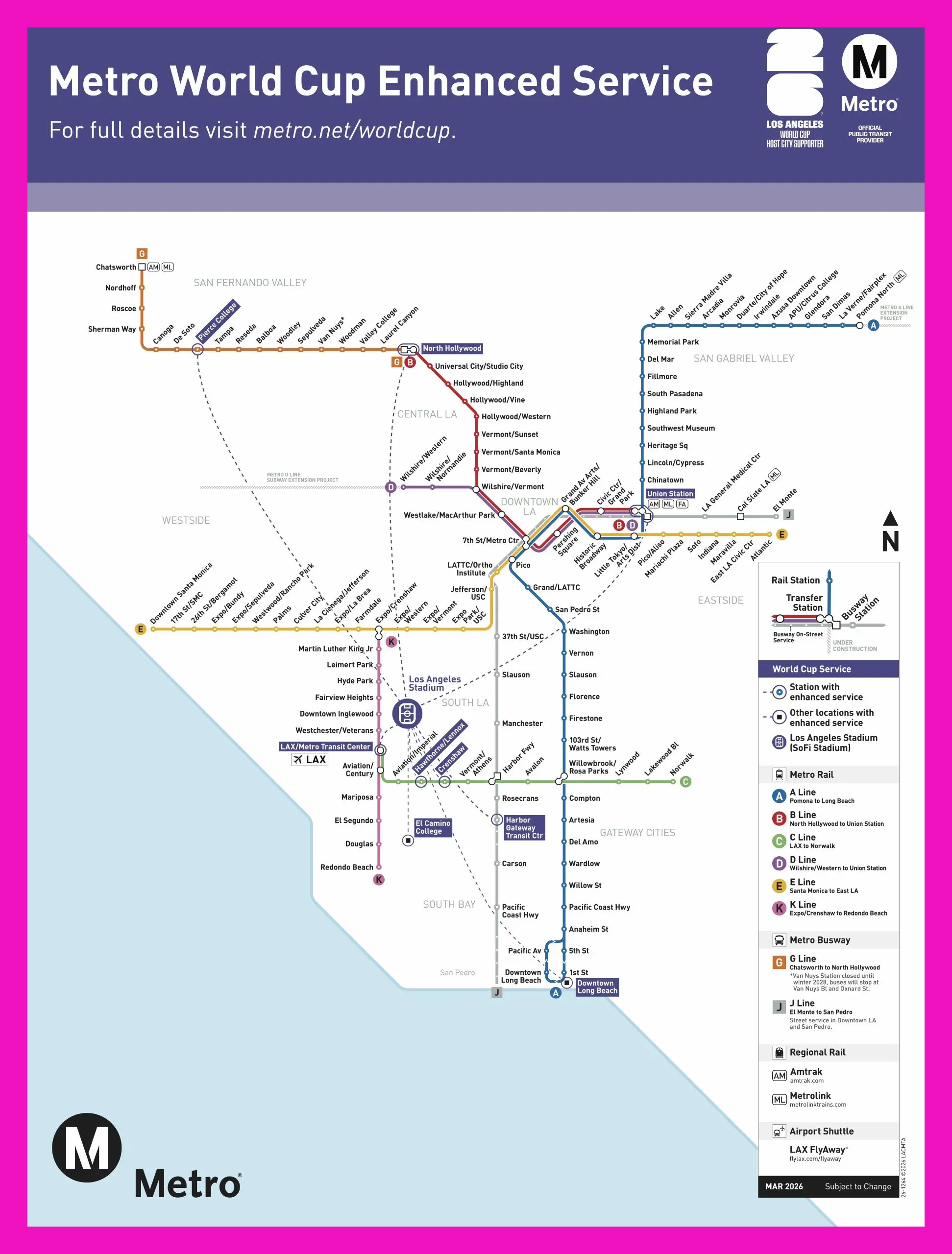
Iran is scheduled to play in two of LA's World Cup matches, although that participation is in doubt after statements from Iran's soccer federation president. "What is certain is that after this attack, we cannot be expected to look forward to the World Cup with hope," Mehdi Taj told AP. The matches at SoFi are supposed to be June 15 vs. New Zealand and June 21 vs. Belgium. Iranian fans were already prohibited from entering the U.S. due to the travel ban issued last year. If Iran does withdraw, I'm also curious about how any byes or bracket reshuffling will affect the crowds at the corresponding fan fests.
 Alissa Walker
 Alissa Walker
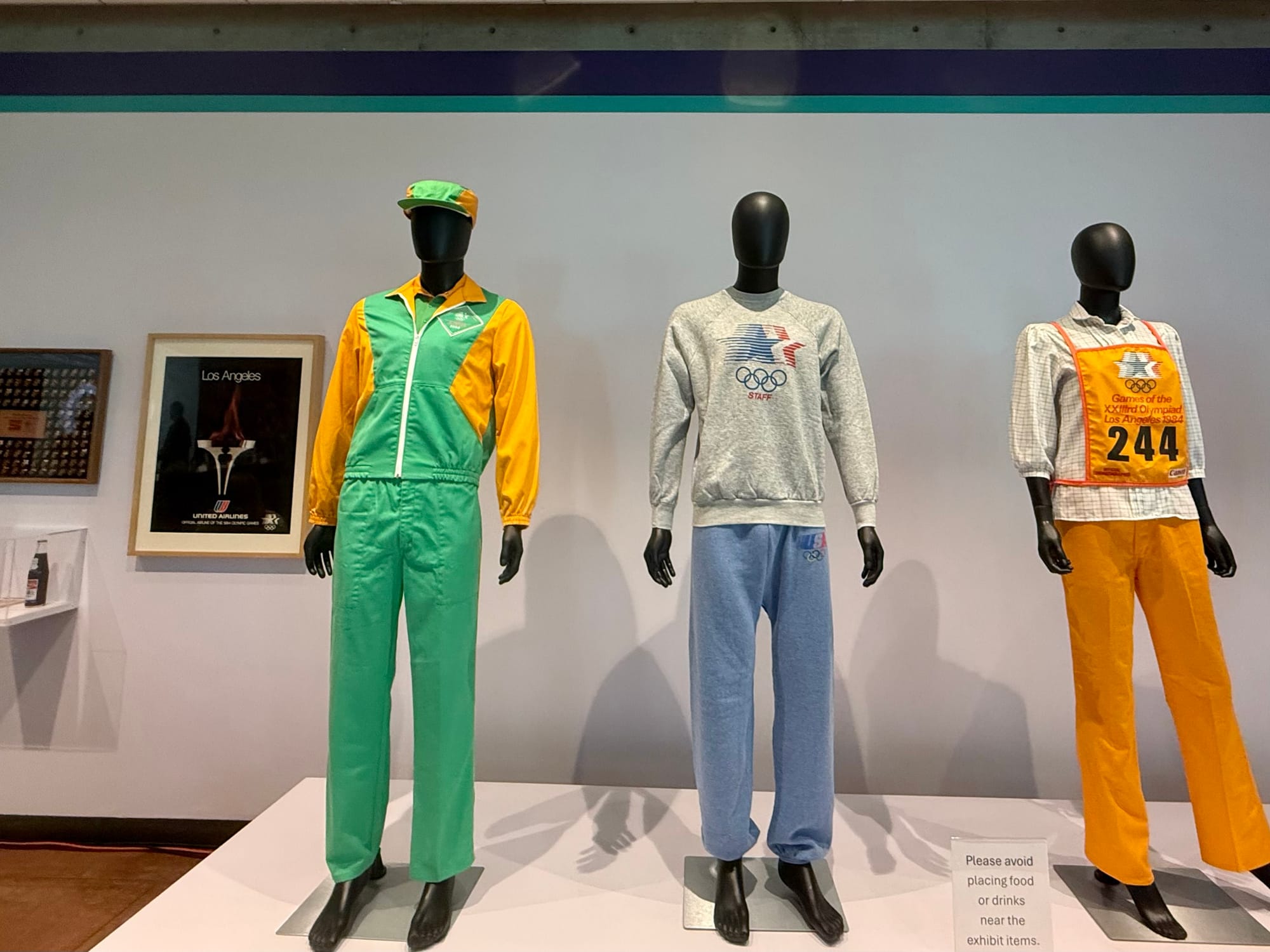
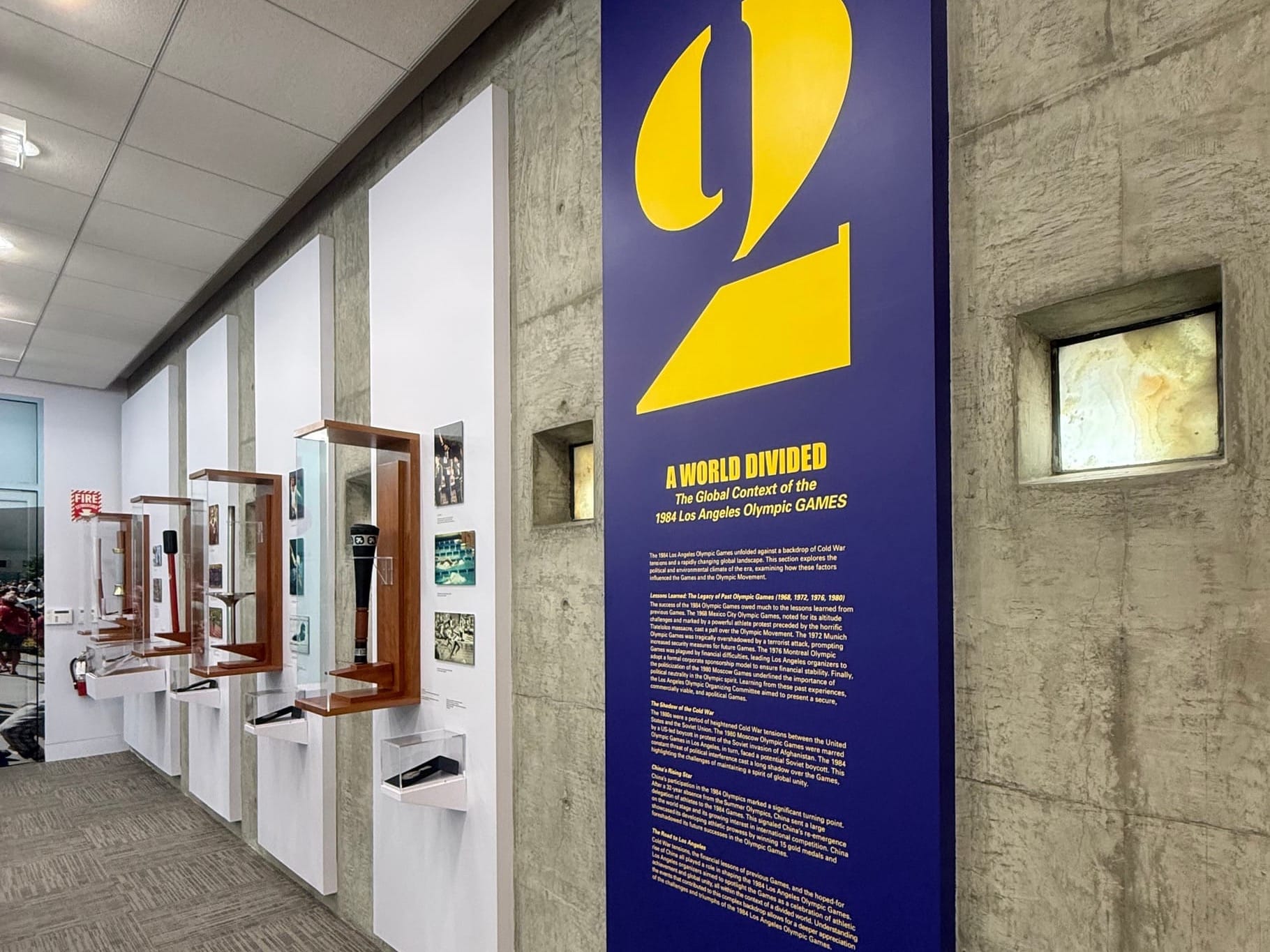
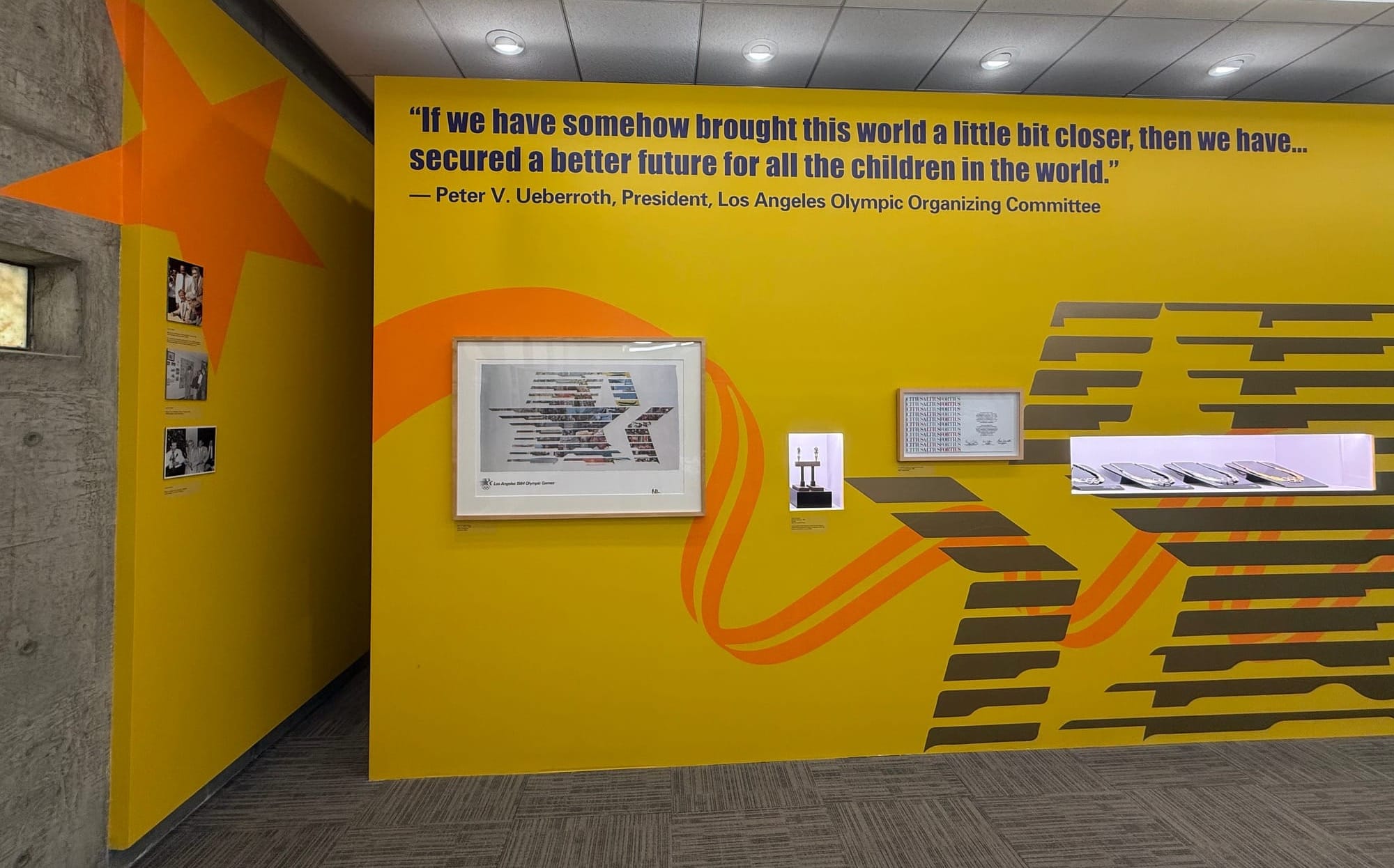
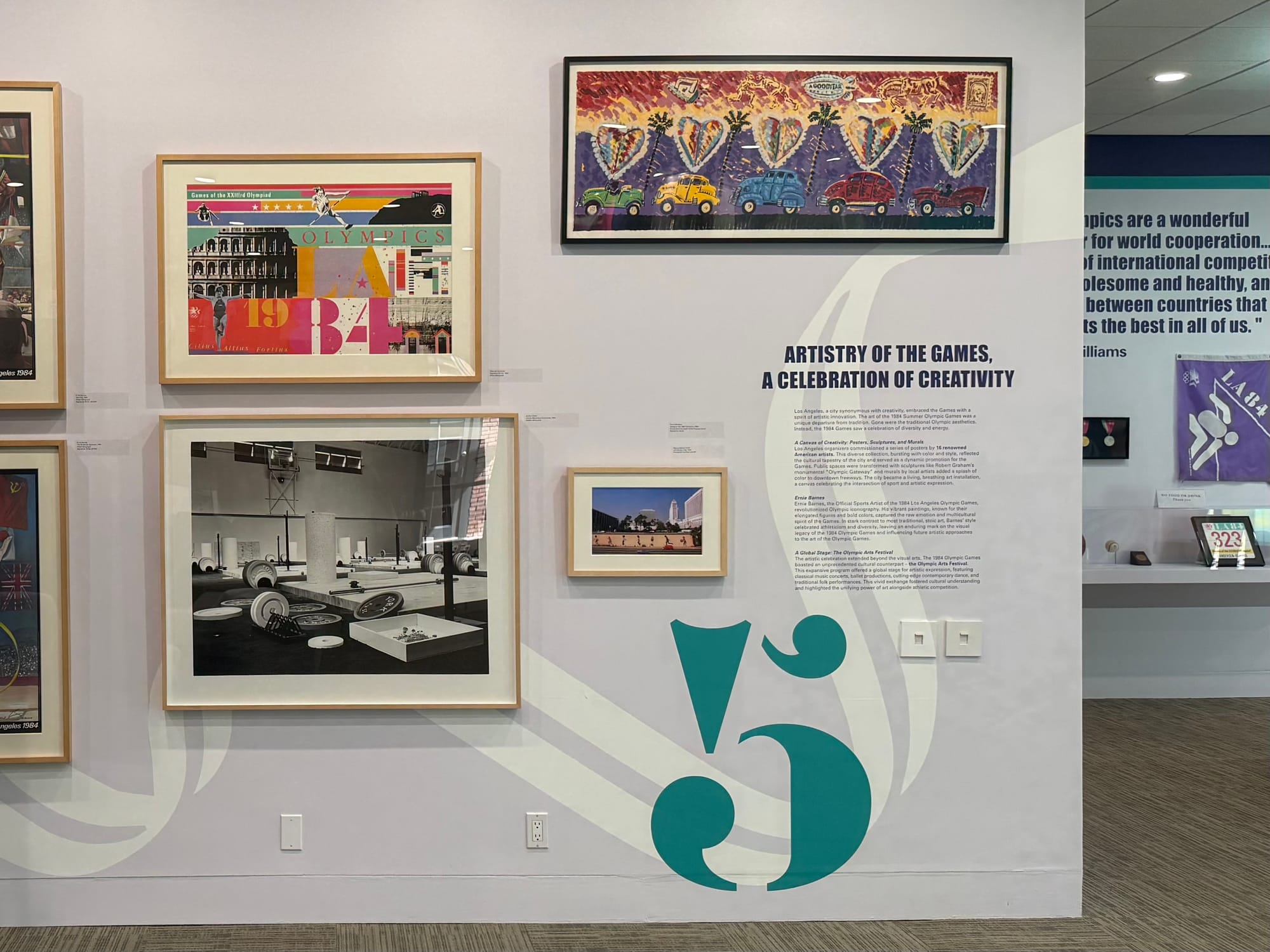
I found some very poignant words from Peter Ueberroth and echoes of a world divided once again during my visit to the LA84 Foundation, where spending a few hours in the museum is very much worth your time. So many torches. The uniforms from 1984 — these ones are by Levi-Strauss — are some of my favorite pieces in the entire collection. And look at that clear, memorable logo!
Speaking of a world divided, my next Torched Talks features Jennifer Doyle, self-described "sports crank" who will discuss the threat of human rights violations as megaevents make their way to Los Angeles. Join us Monday, March 16 at 3 p.m. on Zoom, all details here. I learned a lot while reporting this story on the missing human rights strategies for both the IOC and FIFA.

Plus: LA28 got served and more people mover delays in this week's Hot Links

You might not have noticed Burbank's new airport project flying under the radar because it went a lot faster than some other airport projects in the region


Investing $160 million to upgrade where LA's kids play is what LA28 could have been doing for the last ten years