

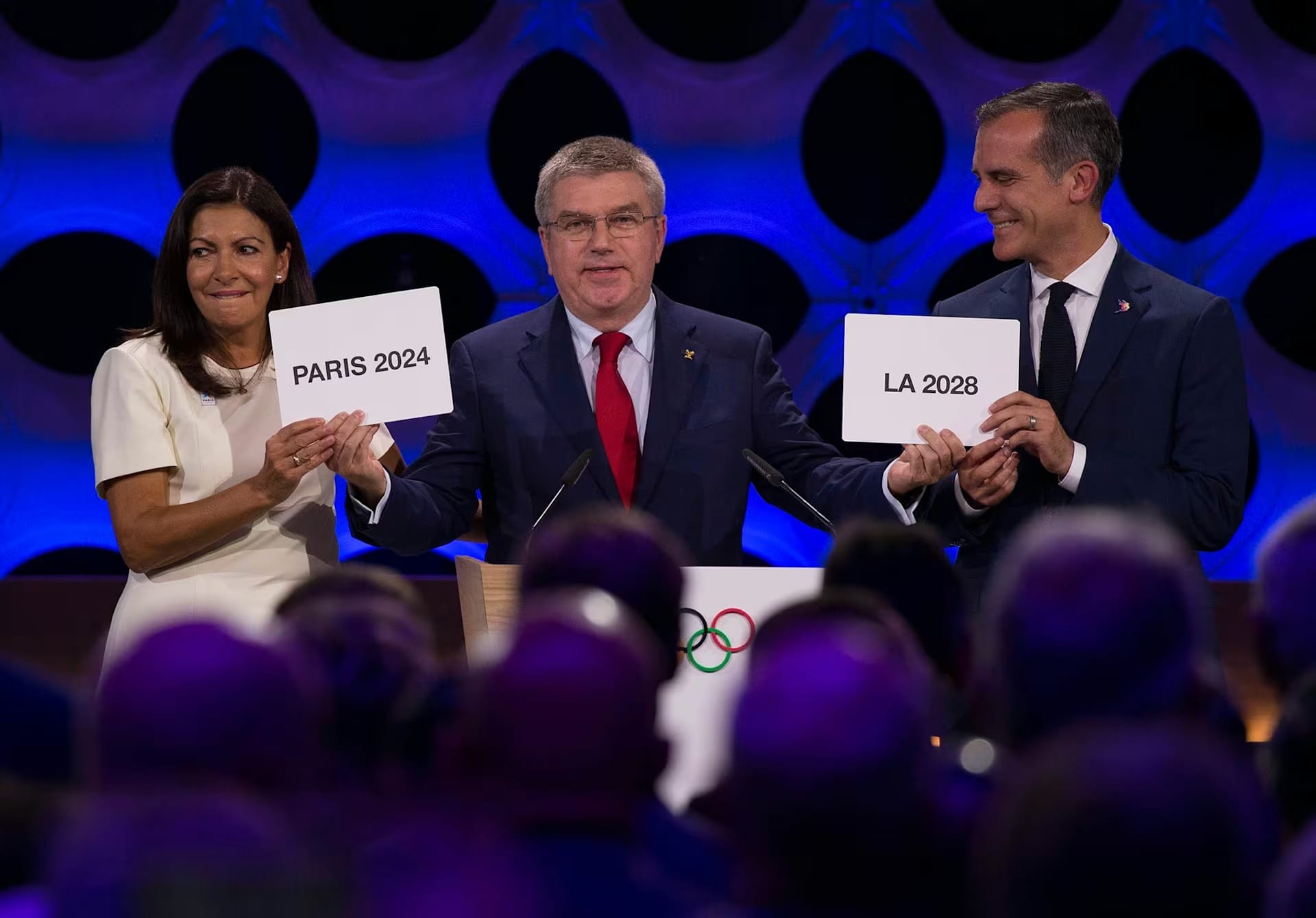
In 2017, the IOC did something that had never been done before. With two cities bidding for the 2024 games and no one on deck for 2028, the IOC staged a historic "double allocation." Yes, that's right: Paris was awarded the 2024 games the same day that LA was awarded the 2028 games. So what happened over the next nine years? Paris's leaders hustled, using the deadline of the games as a catalyst for nothing less than a total urban transformation. (And they're still going strong.) And LA's leaders? Well, they hustled to approve a bad deal with LA28 that former elected officials are still wincing about to this day. I'll have to get back to you on that urban transformation. THERE'S STILL TIME!
The comparison of the two cities has weighed heavily upon me since that day in 2017. With four extra years to prepare, will LA, progenitor of the modern megaevent, really be left with less to show for it than Paris? And what can we honestly hope to achieve when it comes to legacy improvements with only two years to go?
I knew I'd eventually have to see for myself — so I'm making that trip to Paris. Yes, I'm pulling a reverse Tom Cruise.
Now, I know, this trip may be a surprise as it's coming from the same person who once wrote this story:
 Alissa Walker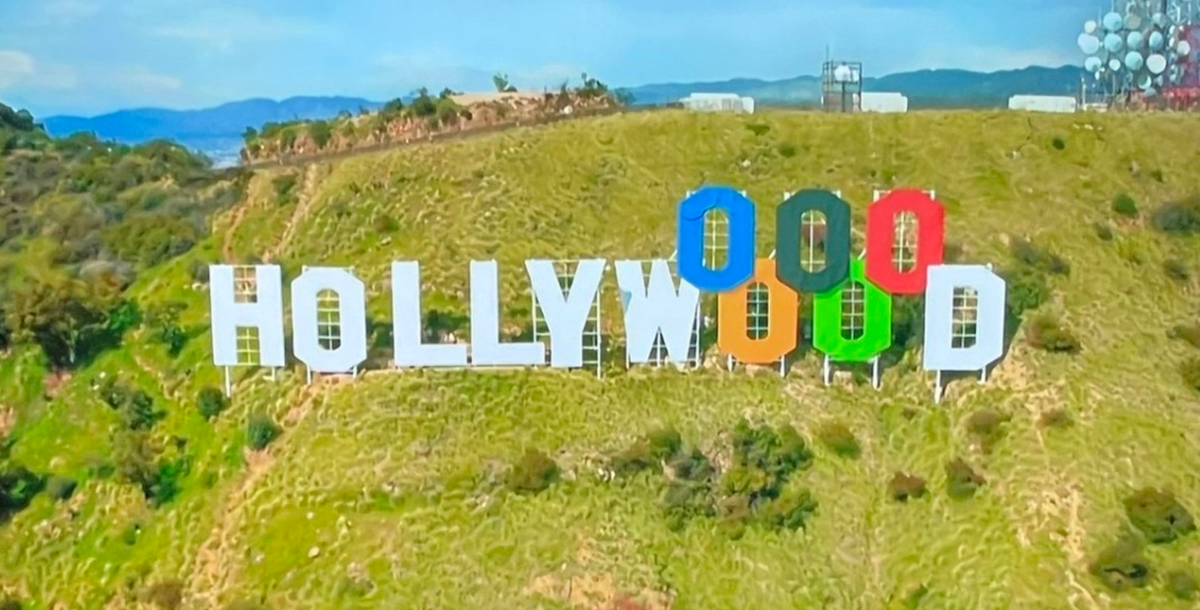
But I always knew I specifically did not want to visit Paris during the 2024 Summer Olympic and Paralympic Games. What I hope to glean is less about how the Olympics work and more about what the Olympics leave behind. And popping into Paris 20 months post-spectacle is exactly the timeline I'm hoping to survey for comparison. This will be the equivalent of visiting LA in March 2030, when our convention center expansion may or may not be finished.
What will I be scouting in Paris? Here are the broad themes I've got my eye on so far:
- Transit expansions (four lines, 68 stations)
- Bike lane network expansions (including the 37 miles of lanes connecting venues added just two years before the games)
- School streets (more like drool streets)
- Public pools (Paris renovated 25 of them before the games)
- Accessibility (good at the venues, horrible everywhere else)
- Tree-planting (and how they're keeping the trees alive)
- Car-removing (cutting the number of parking spaces by half)
- Displacement (an estimated 12,545 people were forcibly removed from the city center)
- Olympic Village (which has since been converted into housing)
This trip is coming up fast — I leave at the end of the month. So here's where you come in, Torched readers.
Who can you connect me with? Do I have any Parisian Torched subscribers? Any direct lines to Anne Hidalgo's administration? Which stories are most important to you? What else am I missing? And perhaps most critically: where must I eat to fuel the step counter for my fact-finding missions each day?
Of course, I'll be taking all of you along with me for the journey with regular dispatches from the car-free Paris streets. If you've been on the fence about upgrading to a paid subscription, now would be a great time to offer your support. If upgrading is not in the cards for you, simply drop a one-time donation into my bikes, baguettes, and Bordeaux fund. Remember, I'll need extra to cover that exchange rate. And, as always, thanks to all of you for reading and sharing Torched! À bientôt! 🔥
🌱 If you're a nonprofit, join the nonprofit cohort at $200/year and get quarterly briefings and special invites to gatherings with fellow nonprofits
🚍 Upgrade your subscription to $300/year and get a customized public transit tour that could totally include the brand-new D line stations
🧨 Or why not go all the way with a $1000/year subscription that includes a customized annual briefing for your organization with me and other experts. And also stickers!
More essential reading
 Alissa Walker
 Alissa Walker

Read next

It's a marathon, not a sprint
When you've committed to holding a Summer Olympics, a marathon route becomes a guaranteed death march

Burn scars
It's remarkable, given our climate reality, that more neighborhoods were not lost one year ago. But truly engaging with that climate reality means we have to rethink the entire city at once

The upside down
The spectacle that unfolded along four miles of Melrose on the Sunday before Thanksgiving was a portal into LA's age of activations

A force of nature
When institutions threw up constraints, Melanie Winter's tenacity surged — just like the river she championed