
Our brand-new secret airport
You might not have noticed Burbank's new airport project flying under the radar because it went a lot faster than some other airport projects in the region
You might not have noticed Burbank's new airport project flying under the radar because it went a lot faster than some other airport projects in the region

Hear from a Olympic and Paralympic expert on October 19 at noon on Zoom
You might not have noticed Burbank's new airport project flying under the radar because it went a lot faster than some other airport projects in the region

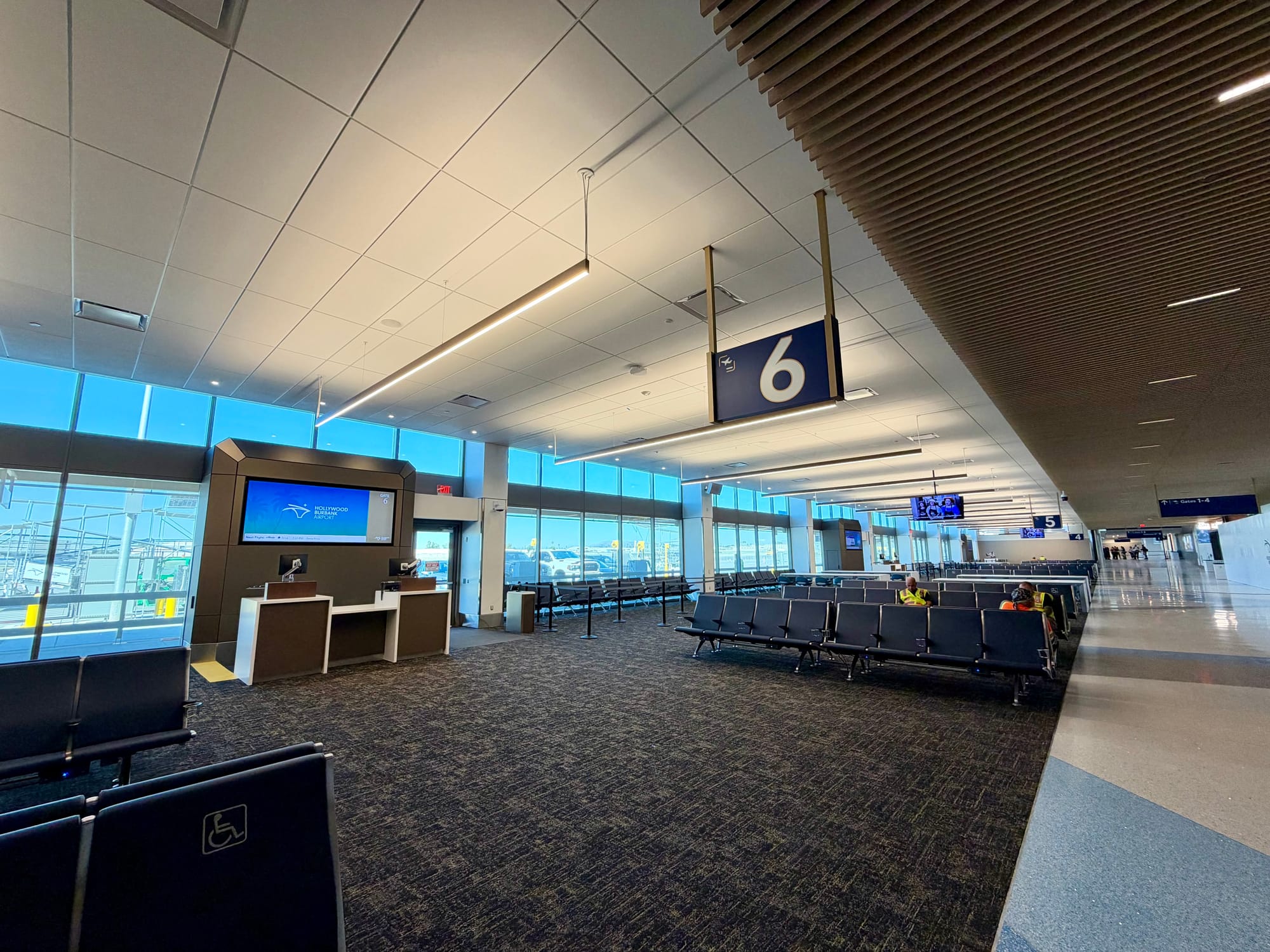
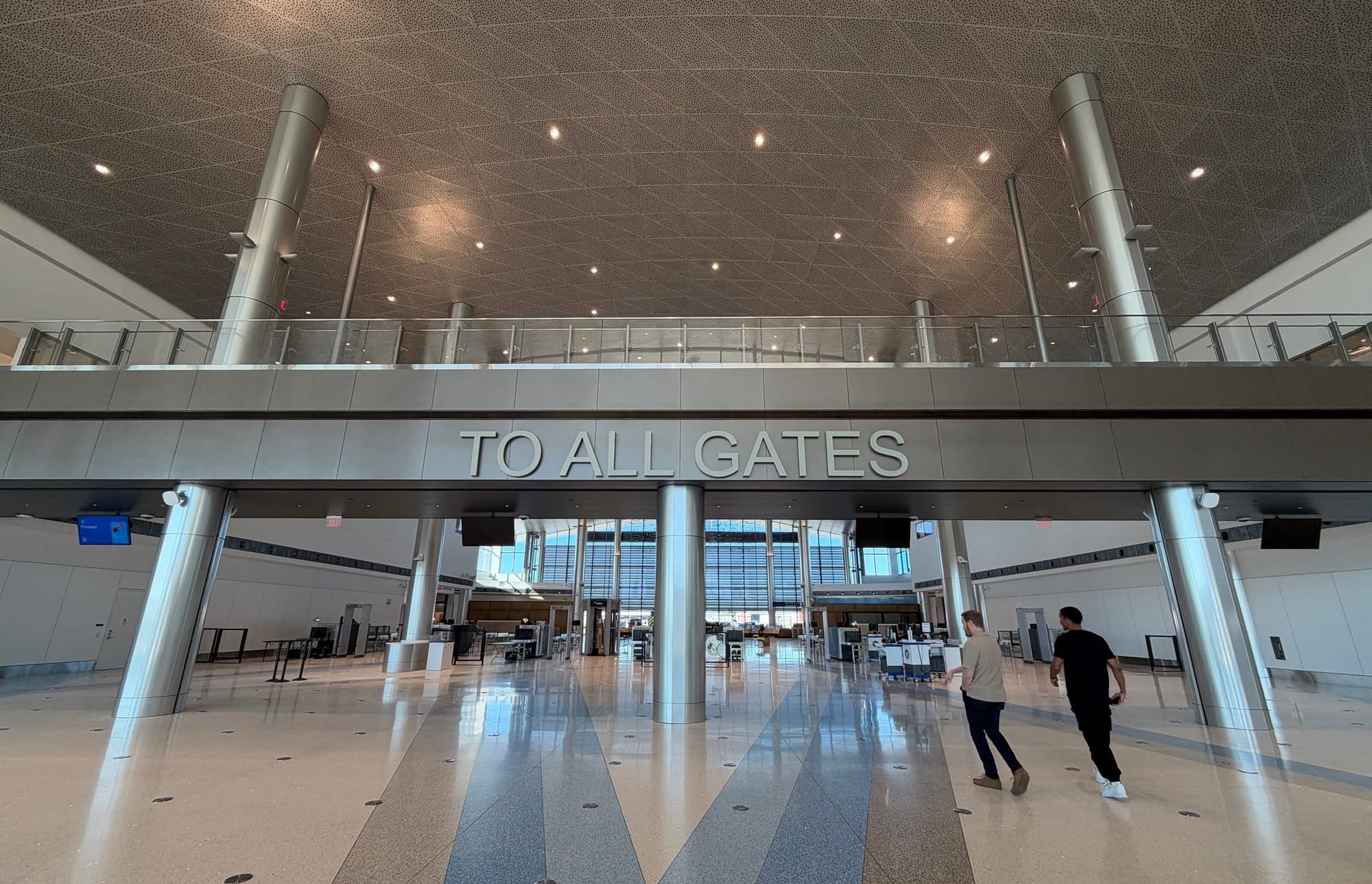
When I started posting photos of the new Hollywood Burbank Airport terminal at a press preview this week, these were some of the comments that flooded my DMs:
Where are you?
What is this?
I had no idea.
I was just there and didn't see it.
Where???
Turns out you can build a whole new airport terminal right next to the old airport terminal and even the most frequent travelers won't know. True, BUR has long been described as the "best-kept secret" option for local air travelers. But the reason you might not have noticed Burbank's new airport project flying under the radar is because it went a lot faster than some other airport projects in the region. Just plucking an example completely at random: LAX's people mover broke ground in 2019, was supposed to be finished in 2023, and may or may not open in 2027. Burbank's new terminal broke ground in 2024 and was finished in less than three years. In fact, it opens on schedule and on budget this Tuesday morning.
Imagine: a megaevent deadline explicitly made and met!
Despite trading the charm of carpeted walls with a glittery facade apparently inspired by Marilyn Monroe's see-through rhinestone-sequined "Happy Birthday Mr. President" dress, it's effectively the same airport. As he conducted our tour, Tyron Hampton, Pasadena councilmember and president of the Burbank-Glendale-Pasadena Airport Authority — yes, the airport is named Hollywood Burbank but is actually governed by a joint-powers agreement between three cities, two of which are not mentioned in the name — kept reiterating that despite the comparatively soaring ceiling heights, the new terminal's layout is just as compact. (Hampton said he himself is an "airport theory" proponent, arriving at BUR just 15 minutes before departure, and will continue to do so at the new terminal.) In fact, the ballot measure passed by Burbank voters in 2016 ensured the airport would be "no more than" the same number of 14 gates. The existing runways remain intact. And don't worry — you'll still go outside to the tarmac to board on shiny new (and shaded) ramps, known as airfield boarding. The entire experience feels familiar. But with a proper bar that won't feel like you're throwing down Flavortown Iced Teas in a windowless Guy Fieri-branded closet.
What is changing is how passengers and employees will get to the airport without cars. And, as always, this particular detail seemed to be an afterthought. One of the best parts of flying in and out of the old Burbank airport was how the car rental facility, BurbankBus Orange bus, Metro buses 169 and 222, and the Ventura County line Metrolink/Amtrak station were all housed in what's called the Regional Intermodal Transportation Center, or RITC, just a short walk away from the gates. Now you'll have to take a shuttle from the new terminal to the RITC (or take an extremely hot 25-minute walk: do not recommend). However, there is another Antelope Valley line Metrolink station that's a very walkable half-mile from the new terminal and also has on-demand shuttles you can summon by phone. (This change is happening right as Metrolink slashes Antelope Valley service, by the way.)
Okay, so we're trading one walkable train station for another, but it's ridiculous not to relocate the buses to the new terminal. I reached out to Metro to inquire about the bus connections, in particular the 222 which serves the Universal City B line station. It seems like it's still being sorted out: "Following the October opening of the new Hollywood Burbank Airport, Metro is prepared to adjust service; however, final routing depends on confirmation from Burbank Airport officials." You can take a 10-minute stroll out of the terminal to Hollywood Way on a very nice wide sidewalk to catch the 222 (or 294 or 169) at a new bus shelter. But "Metro is currently awaiting a decision on whether Line 222 will be allocated a dedicated bus bay inside the terminals in place of its current stop at RITC, or if it will continue servicing the existing street-level stops at Hollywood Way & Thornton Avenue and Hollywood Way & Winona Avenue." A BurbankBus representative also confirmed their stop remains at the RITC for now. And Metro Micro will continue to serve the airport with a "designated dropoff/pickup stop" to be determined. There's also bike parking and some very nice new sidewalk-height bike lanes.
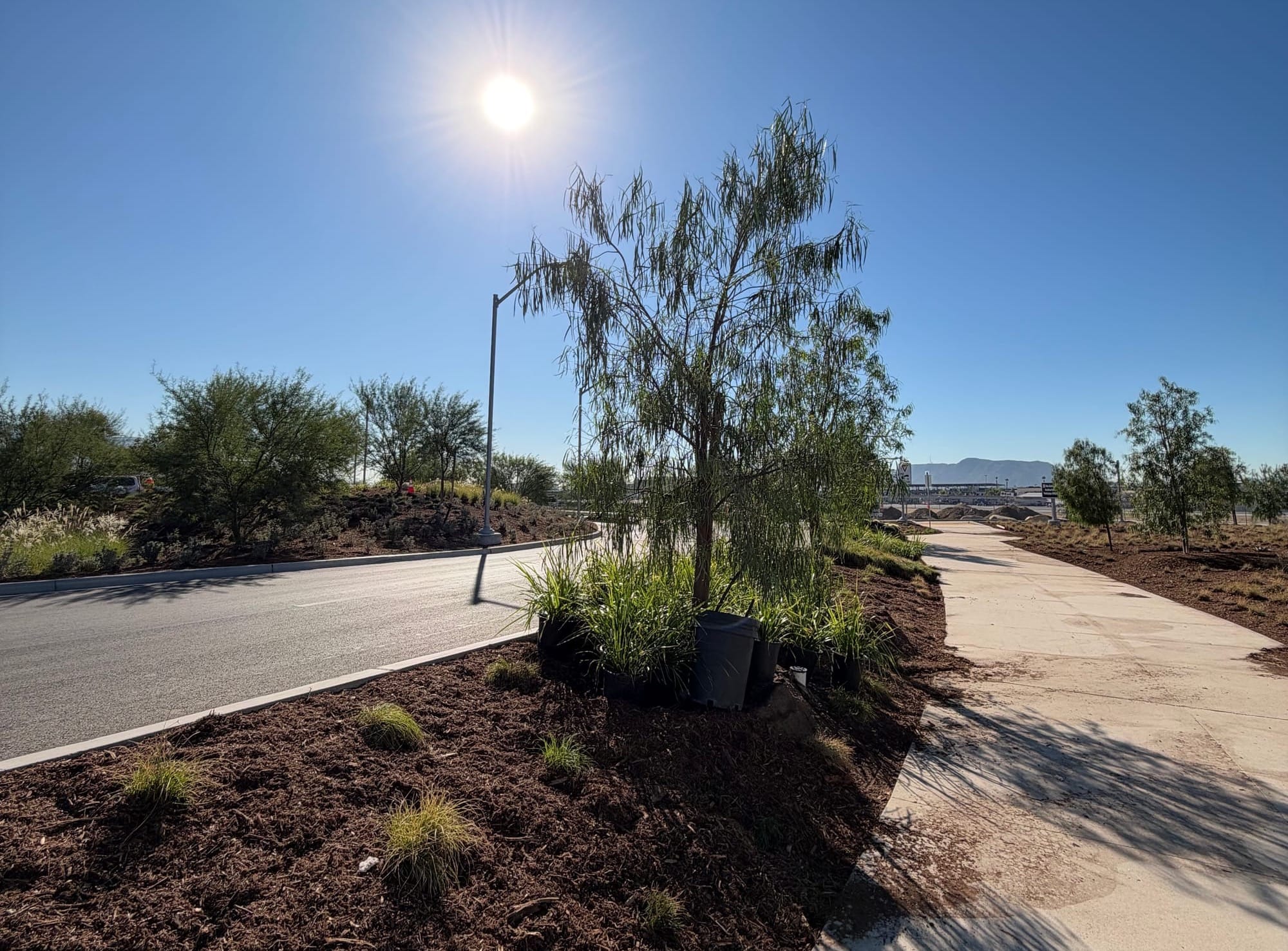
But there might be another option soon. The BurbankBus, which is what I often take to the airport from the NoHo B line station, only runs during weekdays, so LA City Councilmember Adrin Nazarian is proposing a reconfigured NoHo DASH bus route that would operate daily from the forthcoming NoHo mobility hub in place for 2028. For now, driving wins, as it always does. As you roll up to the shiny new airport, the sign itself swoops around a massive six-story parking garage that feels much larger than the terminal itself. You can't miss it. 🔥
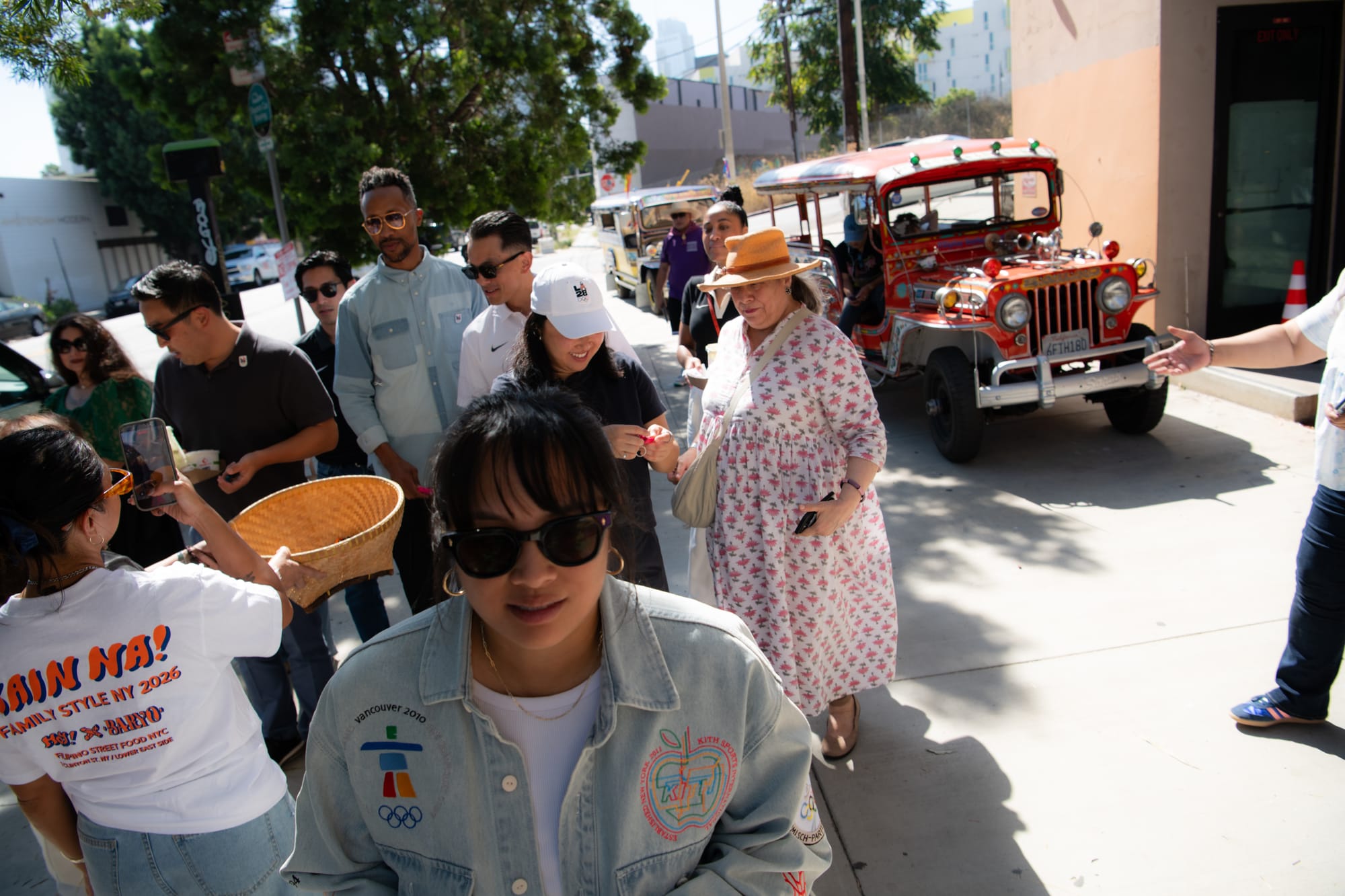
On Friday morning a dozen LA28 staffers packed into a pair of jeepneys — the original microtransit — operated by the Pilipino Workers Center for a cultural tour of Historic Filipinotown that concluded with a community meeting at SIPA's event space on Temple. Jennifer Taylor, the powerhouse behind the Baryo HiFi family of festivals, assembled a spread from a dozen neighborhood restaurants including HiFi Kitchen, Dollar Hits, and Park's Finest BBQ — that cornbread bibingka! — and unsurprisingly, many of the questions were about how small businesses could apply for LA28's new local food program. This was the first neighborhood tour LA28 had organized like this, Taylor told me, and it was easy to see why they picked HiFi. Taylor has been laser-focused on legacy and megaevents, launching a new initiative, Project Pamana, to ensure Filipino communities are represented across the region in 2028 and beyond. Like I've already noted when reporting on the Celebrate Two Eight fan zones, LA28 organizers will brand existing events, relying heavily on local community groups like this to make the magic happen.
LA28's presentation also included a Cultural Olympiad overview from executive director Nora Halpern, who will be testifying with other Cultural Olympiad officials at a special hearing of the California Legislature's Joint Committee on the Arts and Special Committee on International Sporting Events. That's happening Wednesday, October 14 in Expo Park, and I'll be reporting on the plan in more detail next week. And if you want to hear LA28's general community engagement presentation, the next First Fridays is coming up November 6, register here.
It was 103 degrees at Dodger Stadium for the first playoff game against the Braves, where fans hid in the shade, and workers were stretchered out due to heat illness. Free 16-ounce bottles of water were handed out at the gate and the stadium has hydration stations (good!) but I couldn't get a straight answer for why the 1 p.m. start time wasn't delayed due to a weather threat that's just as dangerous as lightning. Other than this: MLB simply doesn't have policies around extreme heat. I wonder if LA28 does? Many smart people were quick to make connections to that 76 ball gleaming ominously in the outfield. As Evan George, communications director for the Emmett Institute on Climate Change and the Environment at UCLA School of Law, noted: "Put another way, this heatwave coincides with a game between the Dodgers and the Braves — two MLB teams that both maintain sponsorships with fossil fuel companies whose products bring us the climate crisis."
While I was sampling HiFi's buffet for LA28, I couldn't stop thinking about the Los Angeles Public Library creator in resident Tien Nguyen's incredible tour through the library's menu collection to see how local foods were marketed and served in 1984. Worried about price-gouging, organizers created a hospitality program that local restaurants could join if they pledged to keep menu prices the same and expanded their hours during the games. What will be the kimchi of 2028?
I've written before about the nationwide Week Without Driving, which is always held the first week in October so everyone's back in school and commuting in cooler fall weather. Hahahahaha. Unfortunately LA City Councilmember Hugo Soto-Martínez had already committed to the challenge before he knew it would be 100 degrees almost every day. But he still did it, documenting his multimodal journeys around the city. I joined him for his bike commute into his Echo Park field office where we celebrated the protected lanes on Hollywood, rode through LA's worst intersection, and talked about what's next for the Sunset corridor all the way to Union Station. The next day, new LADOT data showed that biking and walking is up along the protected lanes, and more importantly, not a single person had been killed since the improvements went in. Oh — and car trips were only increased by 1 minute and 17 seconds during peak rush hour. Seems like a worthwhile investment. I also loved seeing all Soto-Martínez's staffers talk about how they get to work, and CD13 sponsored a screening of Who Framed Roger Rabbit? in partnership with Nobody Drives in LA at the Sunset Triangle Plaza using the city's snazzy new digital screens. More car-free movies in car-free plazas, please. And how about some Dodger watch parties once it cools down for good?
Next up: on Monday, October 19, join me and Jill Jaracz, co-host of the essential Olympics and Paralympics podcast Keep the Flame Alive for the next Torched Talks.


Investing $160 million to upgrade where LA's kids play is what LA28 could have been doing for the last ten years


A hurricane canceling a 30,000-person megaevent demonstrates the future that's coming for us